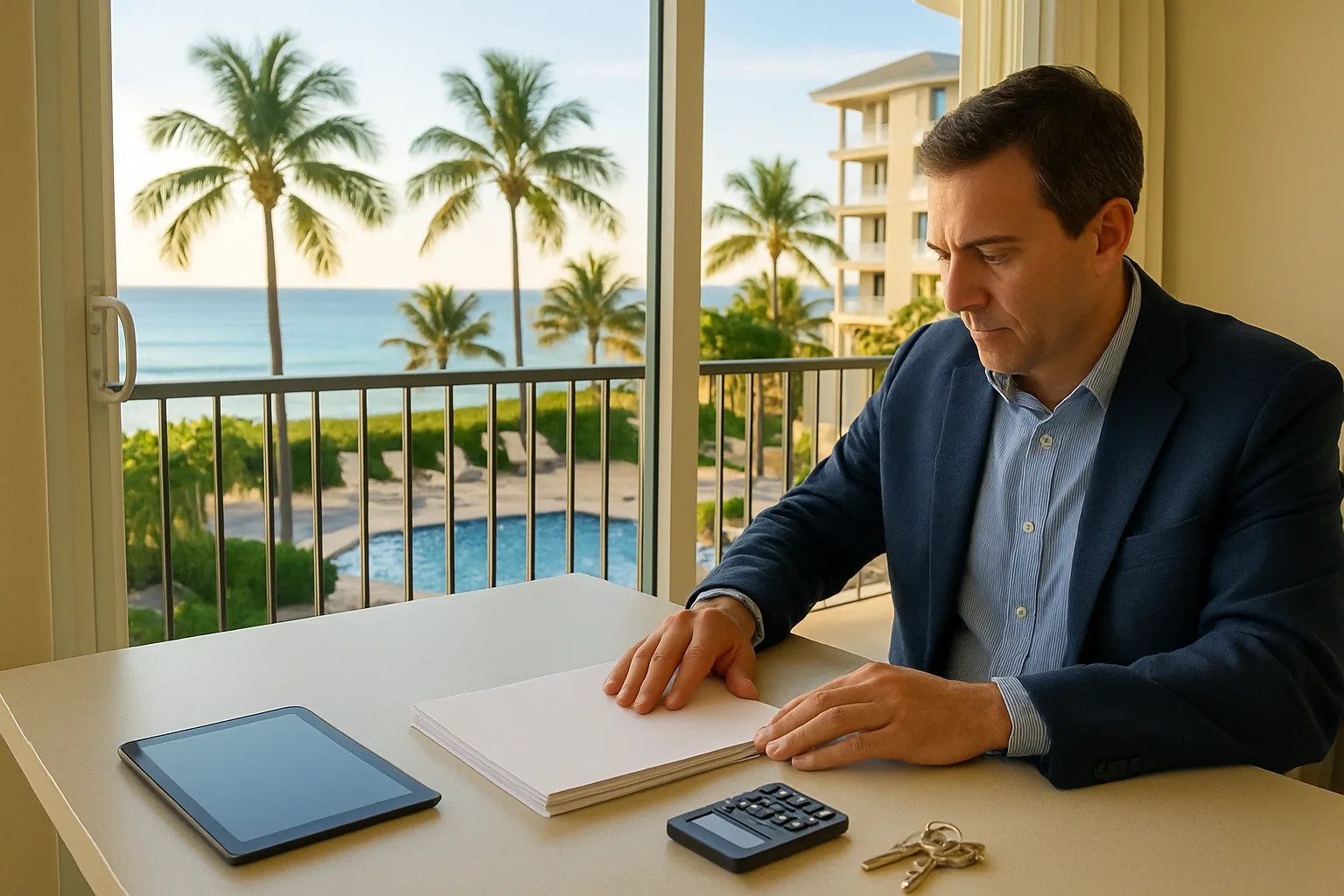
Florida Timeshare Rental Income Contract | Boca Raton
A promised stream of rental income can make a timeshare purchase seem easier to justify. But what happens when the expected bookings do not arrive, payments are delayed, or management fees reduce the amount you were told you could earn? For owners researching a Florida timeshare rental income contract in Boca Raton, FL; Florida, the most useful starting point is often a careful comparison of the sales materials, signed agreements, and actual payment history.
Boukzam Law can serve as a knowledgeable guide when an owner wants to understand how those documents fit together. This article explains which contract terms may matter, how to organize rental and payment records, and why a written promise may differ from a general sales statement. It also addresses questions involving management services, occupancy, fees, and possible rescission or deed-back issues. Laws and procedures can vary by location and may change, so a document-specific review is important before drawing conclusions.
What a Florida Timeshare Rental Income Contract Actually Promises
A rental-income presentation may include several different promises at once. One statement may discuss projected earnings, another may describe a rental pool, and a separate management agreement may control bookings and distributions. These materials should not automatically be treated as identical. The signed contract and incorporated documents generally deserve close attention because they may define the parties’ responsibilities more precisely than an oral presentation.
Guaranteed income versus projected income
Words such as “guaranteed,” “fixed,” or “minimum” can have a different practical meaning from terms such as “estimated,” “potential,” or “based on occupancy.” A contract evaluation may consider whether the promise identifies:
- A specific payment amount or a formula for calculating income;
- A payment date, reporting period, or distribution schedule;
- Conditions involving availability, owner use, season, maintenance, or booking demand;
- The party responsible for making the payment; and
- Any disclaimer stating that income is not promised or cannot be predicted.
A sales brochure, presentation slide, email, or text message may help establish what was communicated, but it may not replace the written terms. Owners in Boca Raton, FL; Florida should preserve these materials rather than relying on memory when comparing representations with the final agreement.
Read the documents together
The main purchase contract may refer to a separate rental management agreement, enrollment form, addendum, or resort rule. Definitions and integration clauses can affect how those documents are read together. A promise about “rental income” may also depend on whether the owner actually authorized the manager to offer the unit, whether personal use was restricted, or whether the program could reject certain booking periods.

Fees, Occupancy, and Records in a Timeshare Rental Management Agreement
The amount an owner receives may depend on more than the headline rental figure. A timeshare rental management agreement can address commissions, advertising charges, reservation fees, cleaning costs, taxes, resort assessments, currency or processing charges, and other deductions. The agreement may also explain when a fee is charged, whether it is refundable, and whether fees apply if no booking occurs.
A useful document review often separates gross rental revenue from the net amount actually payable to the owner. It may also compare the agreement’s booking process with the statements received after each rental period. In Florida, questions about timeshare regulation, disclosures, and administrative matters may involve the Florida Department of Business and Professional Regulation, depending on the issue. A dispute’s proper forum and available remedies depend on the contracts, facts, and applicable law.
Build a rental-income file
Before contacting a Boca Raton timeshare rental program lawyer, an owner may find it helpful to create a chronological file containing:
- The purchase agreement, exhibits, addenda, and cancellation instructions.
- Sales brochures, presentation materials, emails, text messages, and handwritten notes describing rental income or occupancy.
- The rental management agreement and any later amendments or enrollment documents.
- Booking confirmations, cancellation notices, owner-use requests, and availability calendars.
- Payment records, deposit information, account statements, invoices, and year-end summaries.
- Communications about delayed payments, rejected bookings, fees, maintenance charges, or changes to the program.
Keep original electronic files when possible, including attachments and the dates shown in email or message records. A simple spreadsheet can list the promised amount, booking date, deductions, payment received, and any remaining difference. This organization does not decide whether a claim exists, but it can help an attorney identify gaps and compare the documents efficiently.
Common Mistakes When a Timeshare Guaranteed Rental Promise Falls Short
Owners may focus only on the amount of missing income. A broader review can be important because the central issue may involve contract language, disclosures, payment conditions, management performance, or the timing of the communications. A missing payment does not automatically prove a breach, just as a disclaimer does not automatically resolve every question.
Several mistakes can make a later review more difficult:
- Discarding the sales materials after signing the purchase documents;
- Treating a verbal explanation as the complete rental agreement;
- Paying a new fee without first identifying its contractual purpose;
- Signing a revised management agreement without comparing it with the original;
- Mixing owner-use dates with dates allegedly offered for rental; or
- Transferring, surrendering, or deeding the timeshare back before preserving the rental records.
A rental dispute may also raise a separate question about whether the purchase is recent enough for a cancellation or rescission analysis. Owners should check the purchase date, contract delivery date, written cancellation instructions, and proof of any timely notice. Boukzam Law’s guide to Florida timeshare rescission period and cancellation notice rules provides additional background on that distinct issue.
Likewise, a deed-back is not automatically the same as resolving a rental-income or fee dispute. Resort acceptance, liens, maintenance charges, taxes, and other ownership obligations may need separate review. Before considering Florida timeshare deed-back options for unwanted ownership, preserving the rental agreement and payment history may help clarify what issues remain open.
Depending on the circumstances, an attorney may evaluate the contract, communications, and records; identify potentially relevant Florida law; and discuss available options. Florida courts, including courts serving Palm Beach County, may handle disputes based on jurisdiction, venue, arbitration language, and the governing-law provisions in the documents. Those details should not be assumed without reviewing the agreement.
Frequently Asked Questions
Does a Florida timeshare rental income contract have to guarantee a specific amount?
Not necessarily. Some agreements describe a fixed payment or minimum amount, while others use estimates, projected occupancy, revenue-sharing formulas, or conditions that affect payment. The wording, definitions, disclaimers, incorporated documents, and performance records all may matter. A general promise made during a presentation may be treated differently from a specific written obligation. An attorney can review the complete document set and explain what questions the language may raise under applicable Florida law.
What records matter in a timeshare rental fees dispute?
Useful records may include the purchase and management agreements, fee schedules, invoices, payment statements, booking confirmations, cancellation notices, availability records, and communications about deductions or unpaid amounts. Sales materials can also be important if they describe income, occupancy, or fees. Owners may want to preserve electronic records in their original form and create a timeline showing bookings, payments, charges, and follow-up communications.
Can a management company change the rental program after I sign?
The answer may depend on amendment clauses, notice provisions, the nature of the change, and other contract terms. Some agreements address operational changes, while others may require written consent or provide notice rights. A change in booking procedures or fees should be compared with the original agreement and any later document the owner signed. The practical effect of the change may also matter when evaluating a timeshare rental management agreement.
Should I stop paying timeshare-related charges after missed rental payments?
Owners should not assume that missed rental income automatically cancels separate payment obligations. Maintenance fees, loan payments, taxes, management charges, and resort assessments may be governed by different documents. Stopping payment without understanding those documents can create additional issues. Depending on the circumstances, an attorney may help distinguish the rental dispute from other ownership or financing obligations and discuss potential next steps.
How Boukzam Law Can Help
Boukzam Law is dedicated to helping timeshare owners understand the documents behind rental-income promises and management arrangements. The firm is committed to fighting for clients’ rights while taking a careful, evidence-based approach to sales materials, signed contracts, payment records, booking statements, and communications.
If you are dealing with a Florida timeshare rental income contract, a guaranteed rental promise, or a timeshare rental fees dispute, the team is ready to evaluate your situation and discuss your legal options. Contact Boukzam Law for a free consultation or case evaluation.
The information in this article is for educational purposes only and does not constitute legal advice. Contact a qualified attorney licensed in Boca Raton, FL; Florida for advice specific to your situation.
